
Applied Games
Applied Games is the broad term we use for games designed for a particular purpose other than pure entertainment.
This includes serious games, research and experimental games, educational games, training simulations, games for social impact, cultural and tourism experiences, exhibitions, and games for change.
Ludagon is available for commissioned projects that use videogames and interactive experiences to engage an audience, explore an idea, bring a story to life, support research, or create a playful way to learn and participate.
Ricky Vuckovic, founder of Ludagon, has spent much of his career applying game design and interactive technology to education, cultural heritage, training, exhibitions, and experimental projects.
Selected areas of experience include:
Place-based interactive experiences
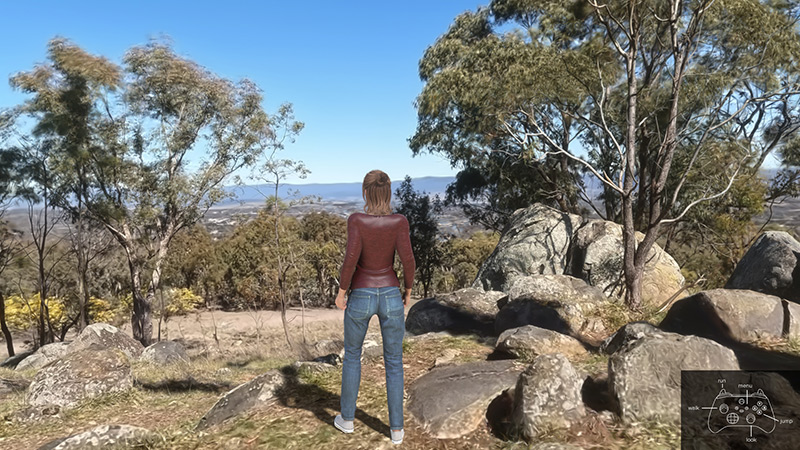
Ludagon’s free tech demo, Postcard, uses realistic 3D scans of real-world places in Canberra, Australia, to present a game-like walkable environment.
Each location was captured on site, including real ambient sounds and even the crunch of footsteps recorded on each surface type.
Games for exhibitions and public engagement
At Ludagon, we can turn almost any subject into a fun game for public exhibition, working closely with subject-matter experts to make sure the experience remains faithful to the real-world ideas and source material it represents.
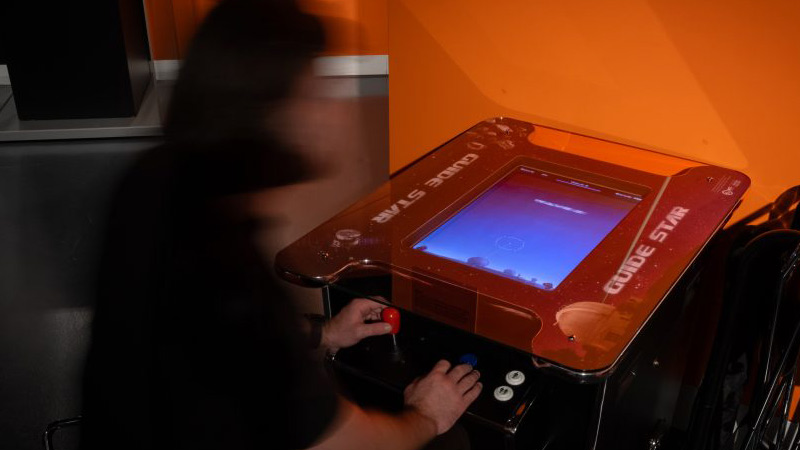
Guide Star was created for the Outer Space: Stromlo to the Stars exhibition at Canberra Museum + Gallery. The game turns real scientific concepts explored in the exhibition into a playful arcade experience for museum visitors.
Digital heritage and cultural access
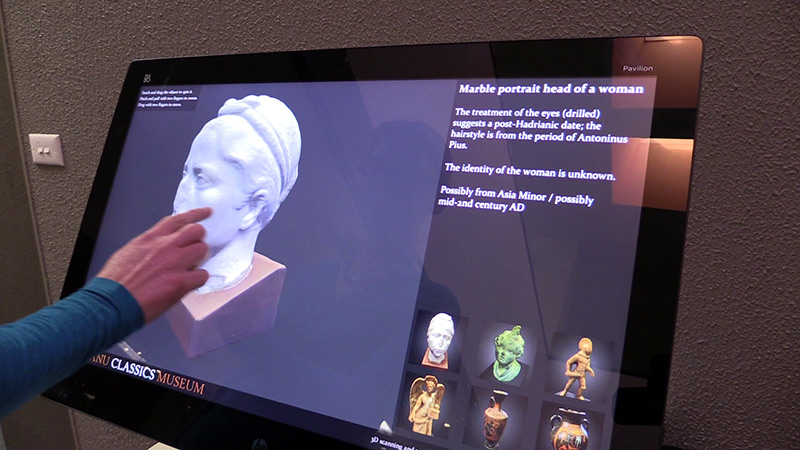
Ludagon’s 3D scanning capabilities can also be used in digital heritage to support preservation, access, and outreach. Digital replicas can give visitors a close-up view of objects that may otherwise be difficult to see or physically access within a museum display.
Ricky scanned eight ancient artefacts for ANU Classics Museum in 2016, allowing visitors to see details that can be difficult to see as the objects are inside glass display cases. One Roman red-slip plate from the first century AD even reveals the original artist’s fingermarks!
Playful learning and engagement
Ricky’s 2009 language app, Pogg, has been used by parents, educators, and speech pathologists, including in work with children with autism and language delays. Pogg was also featured as a positive case study in Boser, Goodwin, and Wayland’s Technology Tools for Students with Autism.

Immersive training and simulation
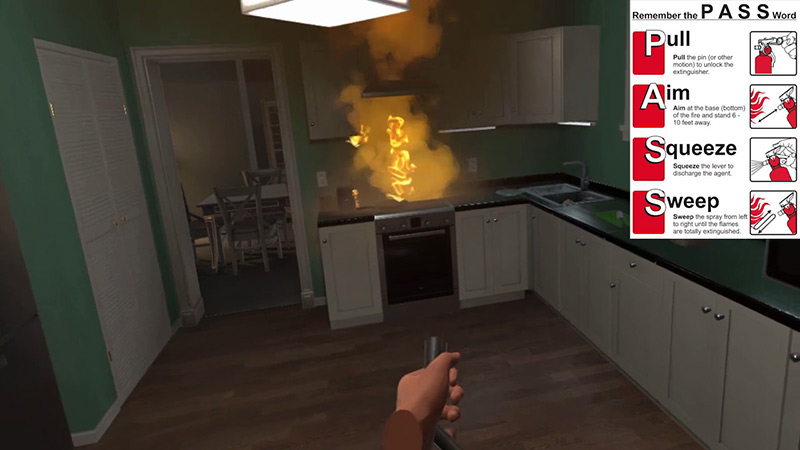
Ludagon can develop interactive experiences for virtual reality and mixed reality platforms.
In 2017, Ricky designed a professional firefighter training simulation engine as a B2B commission.
Experimental and emerging technologies
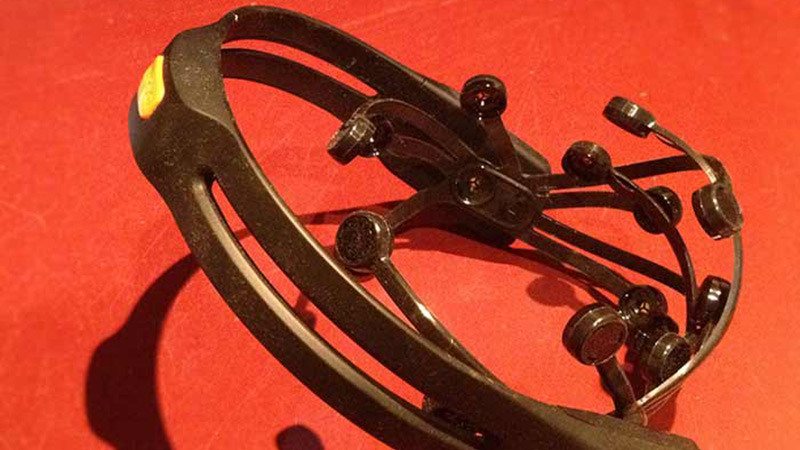
Ludagon enjoys experimenting with new technologies and emerging forms of interaction, including EEG headsets that respond to electrical activity from the brain!
If you are working in experimental technology and wondering what a game-based experience could do with it, we would love to hear from you.
How to get started with your applied games project or grant proposal
The best place to start is by contacting Ricky at Ludagon to arrange a free introductory meeting. We can talk through your idea, what you’re hoping to achieve, and whether a game or interactive experience might be a good fit for your project.
If you’re developing a grant proposal, you are also welcome to get in touch while the project is still taking shape.
Please contact us at:
info@ludagon.com